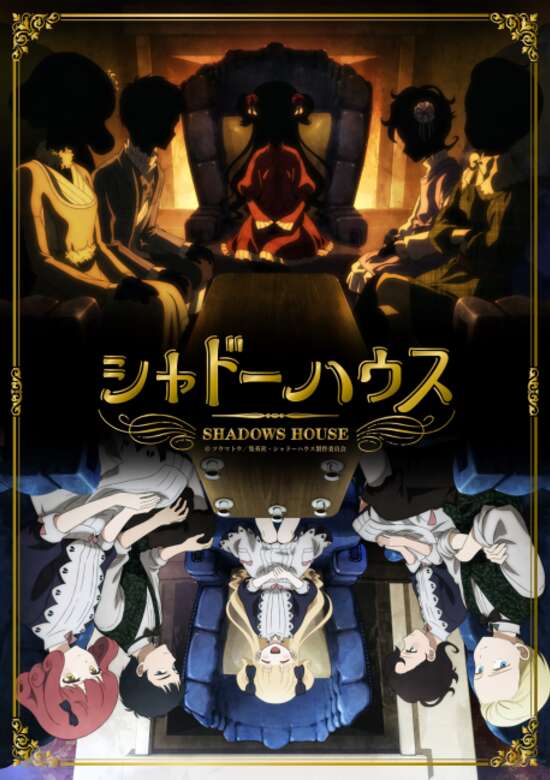
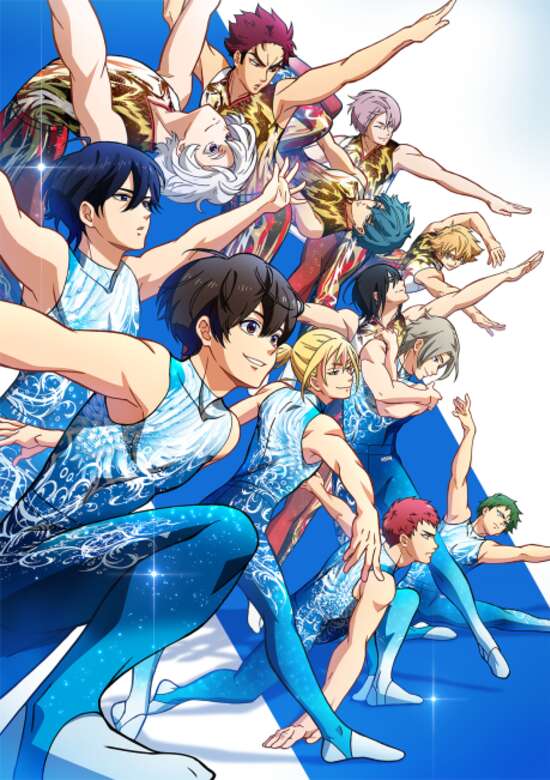
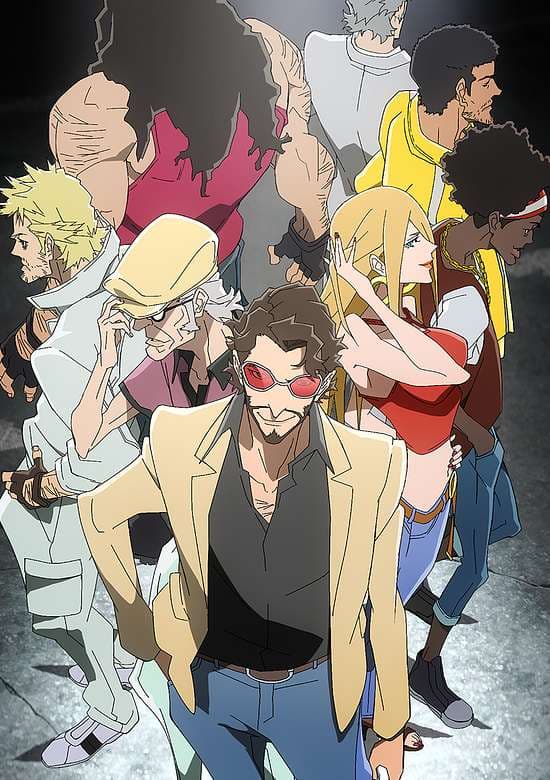
TV anime are episodic series made for broadcast, usually packaged into 12–24 episode seasons that air weekly. People browse this category when they want ongoing stories, long-running franchises, or series that shape fan conversations.
What makes TV anime unique is its rhythm: episodes arrive in a weekly sequence that lets characters and plotlines breathe over a season. That pacing supports long-form world-building, slow-burn mysteries, and recurring-episode formats where one week advances the plot and the next deepens character work. TV series can be short, tightly plotted runs, or sprawling multi-year epics depending on the show and studio. Look at One Piece for a sense of the long-haul, world-building style that keeps audiences coming back for decades; Neon Genesis Evangelion for how a single-season TV format can reshape a genre and provoke discussion; and Attack on Titan: The Final Season for how modern TV anime can become must-watch event television with cinematic production values. TV anime tends to offer serialized arcs, episodic character pieces, and seasonal experiments — sometimes capped by theatrical films or OVAs. Viewing can be either a weekly appointment that builds community theories or a binge-friendly collection on streaming and Blu-ray, with many series sitting comfortably in both modes.